
The Iconic Grape Varieties of Languedoc: History and Characteristics
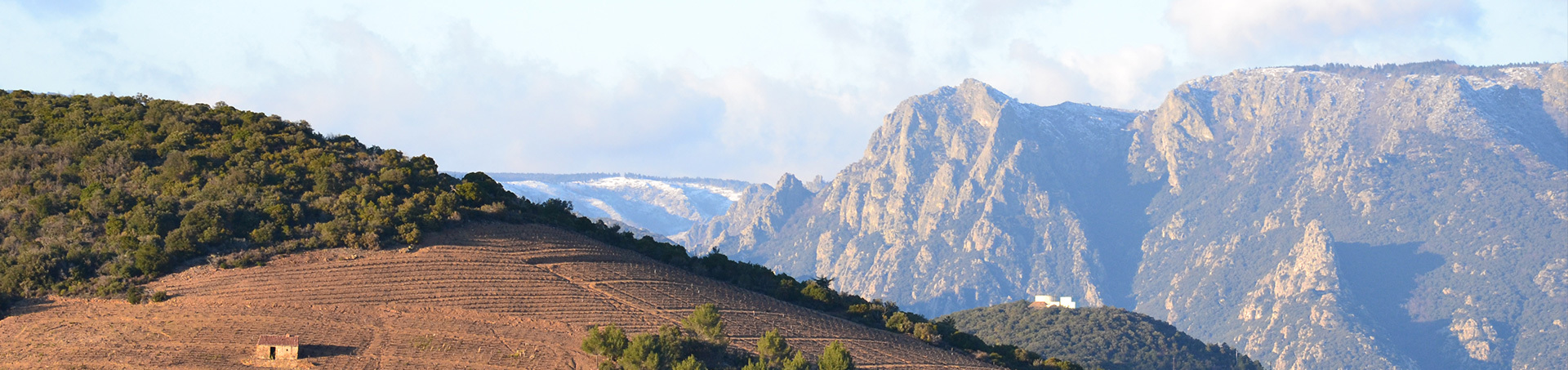
Languedoc, a wine region located in the south of France, is renowned for the diversity and richness of its grape varieties.
This area, which stretches from the Rhône Valley to the Spanish border, enjoys an ideal Mediterranean climate for viticulture.
The iconic grape varieties of Languedoc not only boast a long history but also offer a unique range of characteristics that contribute to the fame of this region's wines.
The History of Languedoc's Grape Varieties
The wine history of Languedoc dates back to Roman times when the Romans introduced viticulture to this region.
Over the centuries, Languedoc became a major center of wine production, thanks to its favorable climate and varied soils.
The emblematic grape varieties of Languedoc have evolved over the centuries, shaped by influences from diverse cultures and winemaking practices.
During the Middle Ages, Cistercian monks played a crucial role in developing the vineyards, introducing advanced viticulture techniques and selecting the best grape varieties for the region.
In the 19th century, the phylloxera pest devastated European vineyards, including those in Languedoc.
This led to the replanting of vines and the introduction of new, more resilient varieties, further enhancing the region's viticultural diversity.
Iconic Red Grape Varieties
Syrah
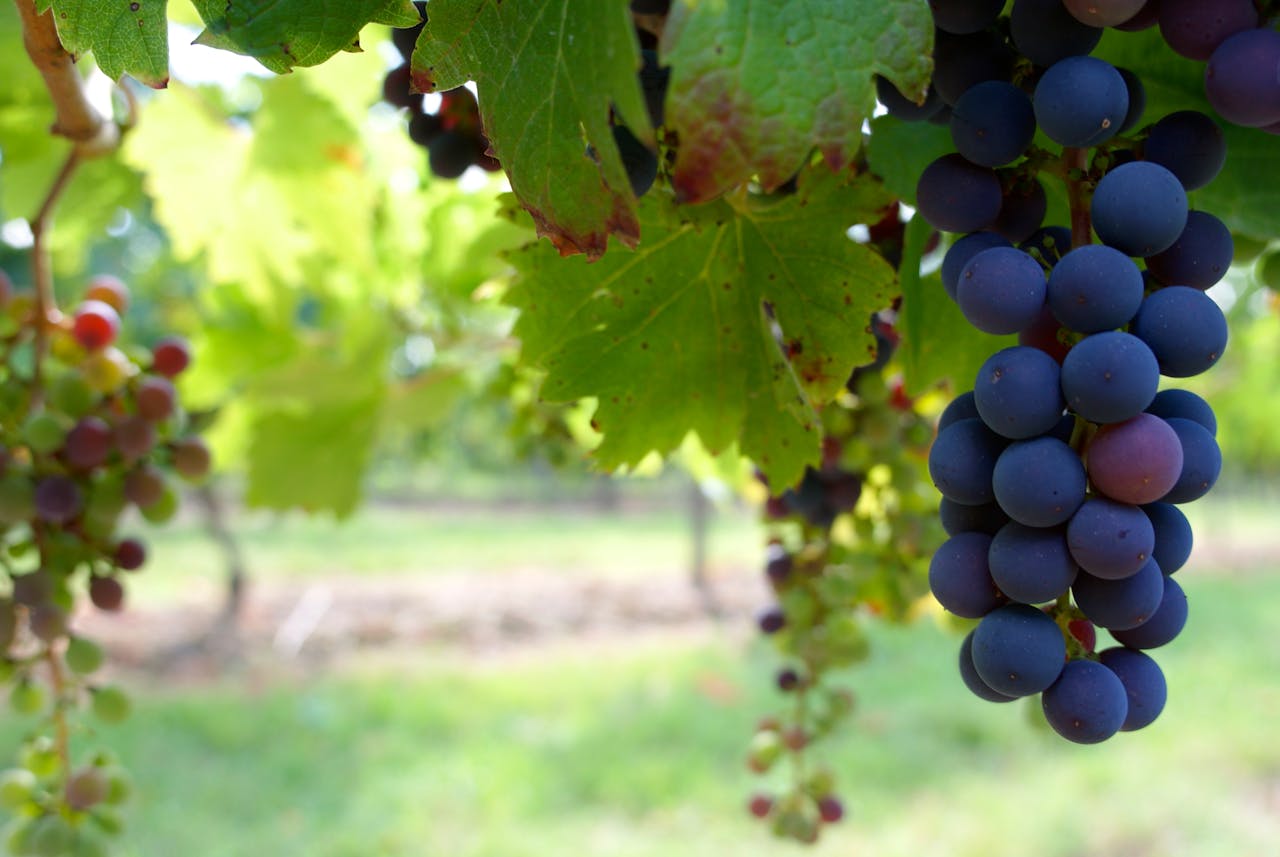
Syrah is one of the most iconic red grape varieties of Languedoc.
Originally from the Rhône Valley, it has found an ideal terroir in Languedoc, where it thrives exceptionally well.
Languedoc's Syrah wines are often characterized by intense aromas of dark fruits, black pepper, and violet.
On the palate, they are rich and complex, with silky tannins and excellent structure.
Grenache
Grenache is another major red variety in Languedoc.
This grape, which flourishes under the Mediterranean sun, produces generous and fruity wines with notes of ripe red fruits, licorice, and sometimes chocolate.
Grenache is often blended with other varieties like Syrah and Mourvèdre, adding roundness and aromatic intensity to the wines.
Mourvèdre
Mourvèdre, also known as Monastrell in Spain, is a heat-loving grape that ripens late.
In Languedoc, it produces powerful and structured wines with aromas of dark fruits, leather, and spices.
This grape is often used in blends to bring depth and complexity to the wines.
Iconic White Grape Varieties
Grenache Blanc
Grenache Blanc is one of Languedoc's most important white grape varieties.
It produces rich and aromatic white wines with notes of white-fleshed fruits, citrus, and sometimes white flowers.
On the palate, these wines are often round and generous, with a refreshing finish.
Roussanne
These two varieties are often blended to create elegant and complex white wines.
Vermentino
Vermentino, also known as Rolle, thrives in Languedoc's warm and dry climate.
It produces lively and aromatic white wines with hints of citrus, green apple, and Mediterranean herbs.
On the palate, Vermentino wines are fresh and crisp, with a pleasing minerality.
Conclusion
The iconic grape varieties of Languedoc reflect the richness and diversity of this wine region.
Their history, shaped by Roman, medieval, and modern influences, along with their unique characteristics, contribute to the renown of Languedoc wines.
From the powerful, spicy red wines of Syrah and Mourvèdre to the fresh, aromatic white wines of Grenache Blanc and Vermentino, each variety adds its own touch to the mosaic of Languedoc’s viticulture.
For wine enthusiasts, discovering Languedoc's grape varieties is an invitation to journey through the history and aromatic diversity of one of France's oldest and most dynamic wine regions.